Exploring the Function of the ABPM Examination in Diagnosing Hypertension Efficiently
The Ambulatory Blood Pressure Monitoring (ABPM) test has actually become an essential device in the diagnosis of high blood pressure. By giving constant blood stress data over a 24-hour period, it reveals patterns that typical dimensions commonly forget. ABPM test in Bangalore. This thorough approach aids in identifying conditions such as white layer disorder and concealed high blood pressure. Understanding the complete ramifications of ABPM in clinical technique raises essential questions concerning its impact on client treatment and therapy methods.
Understanding Hypertension and Its Threats
High blood pressure, frequently classified the "silent killer," affects millions around the world and poses considerable health and wellness dangers. Identified by continually raised high blood pressure levels, this problem can bring about severe issues if left unattended. The main threat variables consist of weight problems, sedentary way of life, excessive alcohol intake, and a diet regimen high in salt. Individuals with hypertension are at an increased threat of developing cardio conditions, stroke, and kidney damage, making early detection essential.Moreover, hypertension can proceed without visible signs and symptoms, which adds to its track record as a quiet threat. The long-lasting pressure on the heart and blood vessels can lead to life-altering problems that might not be reversible. Recognizing these dangers highlights the significance of keeping track of high blood pressure regularly and embracing lifestyle adjustments to reduce possible health problems. By elevating awareness regarding high blood pressure and its dangers, people can take aggressive steps towards avoidance and monitoring, ultimately securing their health and wellness.
What Is Ambulatory Blood Pressure Monitoring?

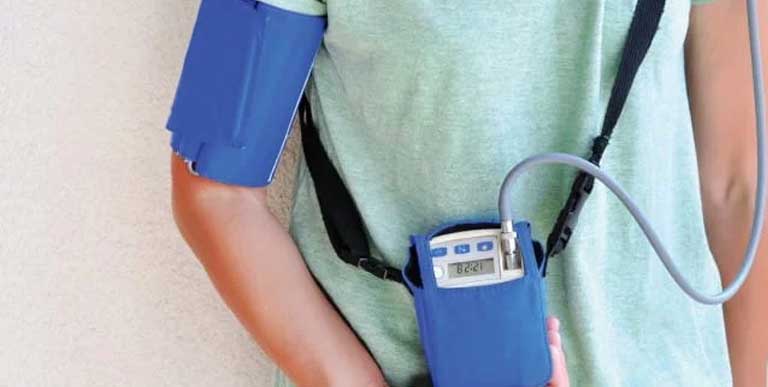
Ambulatory Blood Pressure Monitoring (ABPM) is a crucial tool utilized to measure high blood pressure continually over a 24-hour period while patients involve in their regular day-to-day activities. This approach entails the use of a mobile device that automatically takes blood pressure analyses at established intervals, typically every 15 to half an hour throughout the day and much less frequently at night.ABPM gives a complete evaluation of an individual's blood stress patterns, recording fluctuations that may take place throughout everyday regimens. It is specifically useful for determining problems such as white coat high blood pressure, where clients exhibit raised blood stress analyses in medical settings yet have regular degrees at home. Additionally, ABPM enables doctor to review the efficiency of antihypertensive treatments in time. By offering an extra nuanced sight of high blood pressure characteristics, ABPM plays a vital duty in the exact medical diagnosis and administration of high blood pressure.
Just How ABPM Differs From Traditional Blood Pressure Measurement
While conventional blood pressure dimension generally involves a single analysis taken throughout a clinical visit, ABPM uses a more extensive approach by recording blood pressure data over an extensive period. This method includes wearing a portable tool that immediately measures high blood pressure at routine periods, frequently over 24 hr. Unlike the picture given by traditional approaches, ABPM accounts for variants in high blood pressure throughout everyday activities and rest patterns.Furthermore, ABPM can help recognize "white layer syndrome," where clients display elevated readings in professional settings yet normal degrees in daily life. This extensive information collection permits a much more exact assessment of a person's high blood pressure account. Furthermore, ABPM results can help clinicians make even more enlightened choices pertaining to medical diagnosis and therapy. In contrast, typical dimensions might neglect important variations, possibly bring about misdiagnosis or inappropriate administration of hypertension.
The Advantages of Making Use Of ABPM in Professional Technique
Given the intricacies of detecting hypertension, the usage of ABPM in clinical method presents countless advantages that boost individual care. First, ABPM permits continuous blood stress monitoring over 24 hours, catching variations that solitary dimensions could miss. This substantial approach helps compare real hypertension and white-coat disorder, where patients exhibit raised readings in professional setups because of anxiety.Moreover, ABPM offers an extra precise evaluation by evaluating blood pressure during day-to-day activities and sleep, providing insights into nighttime high blood pressure. This information is essential for customizing therapy strategies, as it makes it possible for health care companies to recognize patterns and readjust medicines accordingly.Additionally, ABPM improves client involvement, as individuals can witness their high blood pressure fluctuations in real time. Eventually, the integration of ABPM in medical technique causes boosted diagnostic precision, far better administration of hypertension, and an extra customized approach to patient treatment, thereby promoting total health results.
Interpreting ABPM Results: What Clients Need to Know
Interpreting ABPM results is essential for recognizing private high blood pressure patterns over a 24-hour duration. Patients ought to acknowledge the relevance of accurate dimensions, as these readings can influence medical diagnosis and therapy plans. ABPM test in Bangalore. Recognition of their particular high blood pressure patterns can equip individuals to involve better in their medical care
Recognizing Blood Pressure Patterns
Comprehending blood stress patterns is important for clients undergoing Ambulatory High blood pressure Monitoring (ABPM), as it offers valuable insights into their cardiovascular health and wellness. ABPM captures blood stress readings at routine intervals throughout the day and evening, permitting an assessment of variations and fads. Patients may experience variations due to factors such as activity degrees, anxiety, and sleep. Recognizing these patterns helps in differentiating in between true hypertension and white layer syndrome, where anxiousness during clinical gos to brings about raised analyses. Furthermore, understanding specific blood stress variations can aid doctor in tailoring therapy strategies a lot more properly. People that comprehend their distinct blood pressure characteristics can involve much more proactively in discussions regarding their health and wellness and administration strategies.
Relevance of Accurate Measurements
Accurate measurements in Ambulatory High blood pressure Monitoring (ABPM) are crucial for analyzing outcomes successfully. These dimensions provide a detailed assessment of a person's high blood pressure over a 24-hour period, catching variations that might not appear during conventional facility brows through. Appropriate cuff dimension, positioning, and adherence to keeping track of procedures are essential to assure reputable information. Imprecise readings can result in misdiagnosis, unsuitable treatment, and unnecessary anxiousness for people. Recognizing the value of these dimensions encourages clients to involve actively in their health care, advertising much better adherence to therapy plans. Eventually, precise ABPM results facilitate informed discussions in between people and doctor, improving the total monitoring of high blood pressure and improving wellness outcomes.
The Influence of ABPM on Hypertension Management
As health care providers progressively focus on tailored individual treatment, the duty of Ambulatory High blood pressure Monitoring (ABPM) in hypertension management has actually obtained substantial interest. ABPM enables for continual high blood pressure analysis over 1 day, supplying a complete view of a patient's blood stress patterns. This approach aids in identifying white-coat high blood pressure, where clients experience raised analyses in medical setups however maintain regular degrees at home. By catching these variations, ABPM image source assists in extra exact medical diagnoses and tailored therapy plans.Additionally, ABPM improves drug adherence monitoring, as clinicians can change treatments based upon real-world information. People are much more engaged in their treatment, resulting in improved outcomes. The capability to evaluate nocturnal high blood pressure patterns also provides understandings into cardio threats that might go unnoticed with conventional dimensions. Consequently, ABPM not just improves the analysis procedure but additionally optimizes monitoring methods, eventually adding to far better hypertension control and individual health.
Future Viewpoints on ABPM and Hypertension Diagnosis
The future of ambulatory blood stress monitoring (ABPM) in identifying high blood pressure appears promising with developments in monitoring innovation. Improved information interpretation techniques are anticipated to improve precision and client results. In addition, the expansion of professional applications may facilitate more comprehensive usage of ABPM in varied health care settings.
Innovations in Monitoring Technology
Improved Data Interpretation Techniques
While conventional approaches of interpreting blood stress data have actually offered their purpose, the future of ABPM in high blood pressure medical diagnosis looks appealing with the growth of improved information interpretation techniques. These innovations take advantage of sophisticated formulas and artificial intelligence techniques to examine ABPM information extra precisely. By identifying patterns and patterns that might not show up through traditional analysis, clinicians can gain much deeper understandings into a person's blood pressure variability and total cardio threat. Furthermore, these approaches can aid in differentiating true high blood pressure from white-coat syndrome, therefore helping with much more accurate therapy plans. As data interpretation proceeds to develop, it is positioned to considerably boost the analysis accuracy and performance of ABPM in handling hypertension and its relevant complications.
Broadening Medical Applications
As advancements in modern technology and study proceed to unfold, the scientific applications of Ambulatory High blood pressure Monitoring (ABPM) are readied to increase substantially in the diagnosis and management of high blood pressure. Future perspectives indicate that ABPM will certainly play a vital function in determining masked hypertension, a condition frequently neglected in conventional evaluations. Integrating ABPM with telemedicine platforms might improve person monitoring and adherence to therapy methods. Study right into personalized medication might better fine-tune making use of ABPM, enabling tailored restorative strategies based on private high blood pressure patterns. In addition, the potential for ABPM to assess cardiovascular risk past high blood pressure might reinvent preventative care, inevitably causing enhanced person outcomes and more reliable medical care source allocation.

Often Asked Inquiries
How Lengthy Does an ABPM Examination Usually Last?
The ABPM test normally lasts 24 hours. Throughout this period, it measures high blood pressure at normal periods, offering a i loved this complete summary of a patient's blood stress patterns throughout everyday activities and nighttime rest.
Are There Any Negative Effects of Wearing the ABPM Tool?
The side results of using an ABPM device may include mild pain from the cuff, skin irritation, and occasional anxiety as a result of the gadget's regular dimensions. Generally, these effects are short-term and resolve after elimination.
Can I Proceed My Normal Tasks During the ABPM Examination?
Throughout the ABPM test, individuals can normally continue their routine tasks. Nevertheless, they are encouraged to avoid extreme physical exertion and water activities to ensure precise readings and stop damage to the tool.
Just How Commonly Should ABPM Be Duplicated for Monitoring?
The regularity of duplicating ABPM for keeping track of normally depends upon private wellness problems. Generally, it is recommended every 6 months to one year, allowing healthcare carriers to analyze modifications in blood stress properly over time.
Does Insurance Typically Cover the Cost of ABPM Screening?
Insurance policy coverage for ABPM screening differs substantially among carriers and strategies. Lots of insurance companies cover it when considered medically necessary, while others might call for previous authorization or may not Continued cover it at all, causing prospective out-of-pocket costs.